
Understanding Subclinical Right Dorsal Colitis
Explore our veterinarian-guided study evaluating the impact of hindgut health on equine performance and comfort.
40 years equine performance medicine experience
8+ years developing evaluation and diagnostic protocols
First 100 selected horses—screening cost covered
A clearer look at what may be affecting your horse.
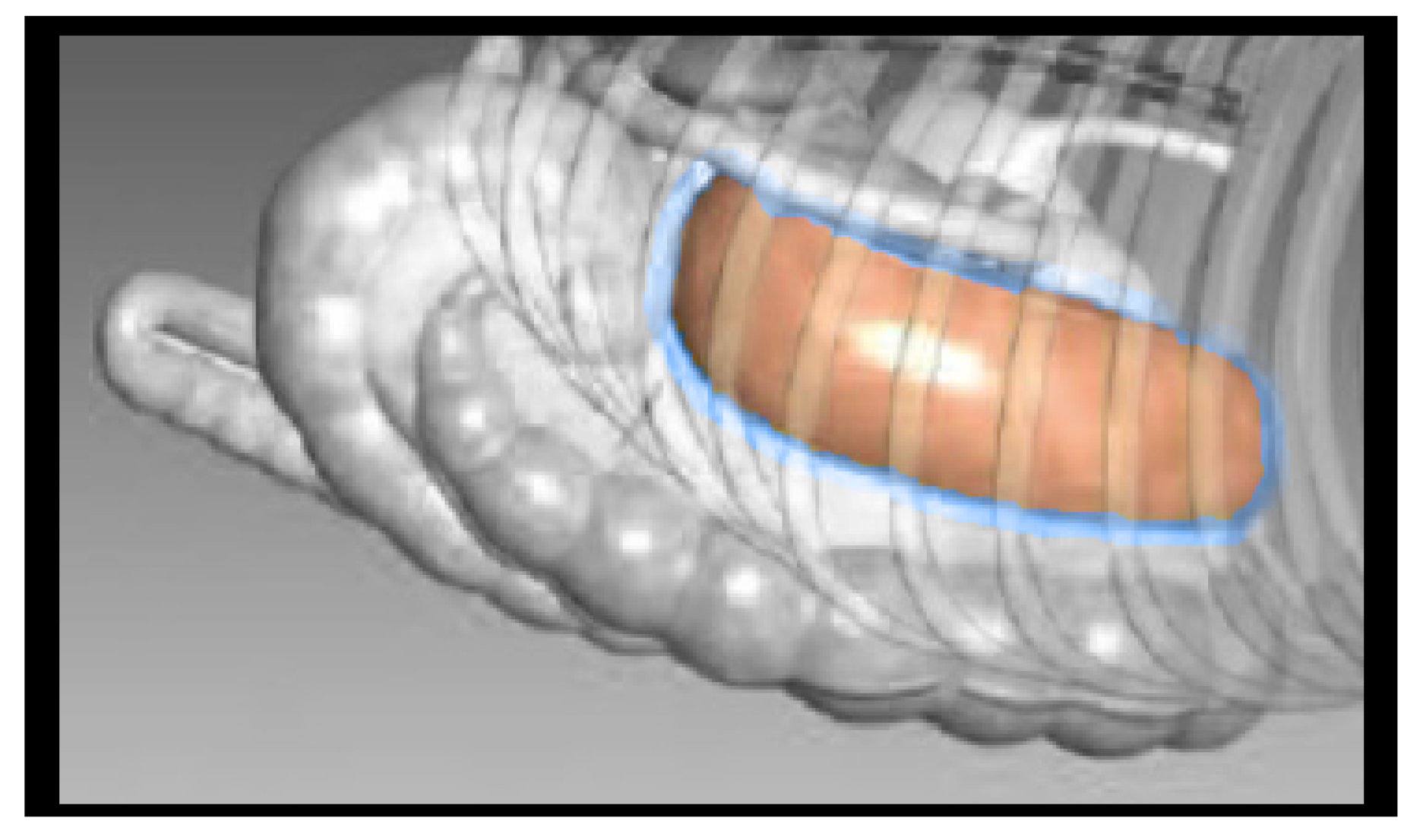
Subclinical Right Dorsal Colitis is a condition characterized by chronic inflammation affecting the right dorsal colon of the large intestine. Because it occurs internally in the hindgut, its symptoms are often subtle and may resemble other common digestive or performance concerns.
A crucial element of our diagnostic focus is differentiating Subclinical Right Dorsal Colitis from Gastric Ulcers. While both can cause behavioral changes and reduced performance, their management strategies differ significantly. Our specialized testing modalities are designed specifically to identify the presence of SCRDC, preventing horses from undergoing unnecessary ulcer treatments when the right dorsal colon is the true source of discomfort.
This makes it challenging to identify without specific evaluation. Our study aims to gather data to better understand these subtle presentations in athletic and companion horses. It is also important to note that Subclinical Right Dorsal Colitis and gastric ulcers may exist at the same time, which makes accurate evaluation essential.
Important Note: Testing guides the diagnostic process and provides valuable data for the study, but it is not a definitive diagnostic tool on its own. It is designed to be used in conjunction with your veterinarian's clinical assessment.
Our Proprietary Equine Performance Microbiome System
Developed through years of clinical research by Doug Armstrong DVM, our diagnostic process is designed to:
- Identify horses with SCRDC
- Differentiate SCRDC from gastric ulcers
- Evaluate the hindgut microbiome
- Reduce unnecessary treatments
- Guide management recommendations
- Improve long-term health
Clinical Context
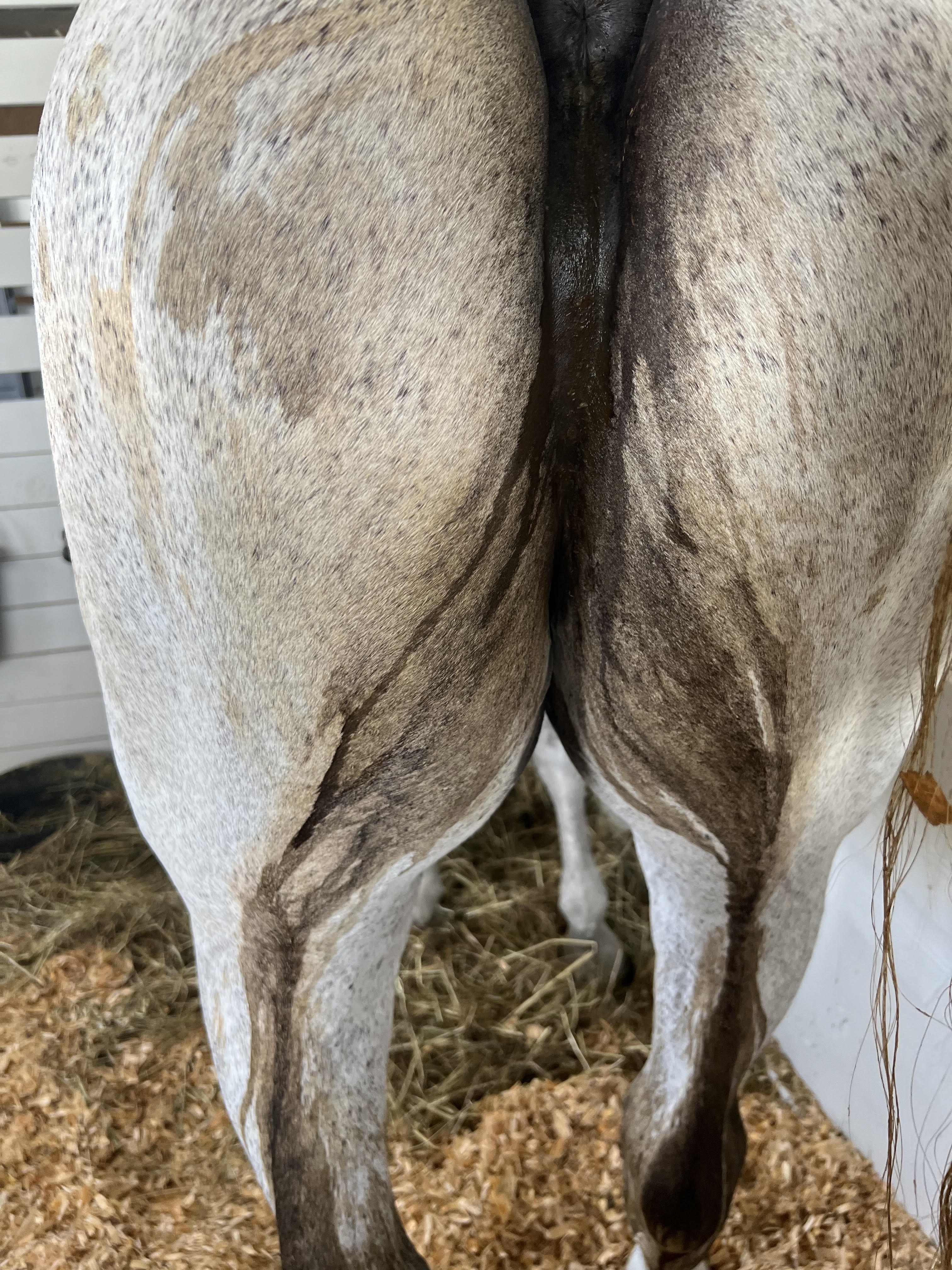
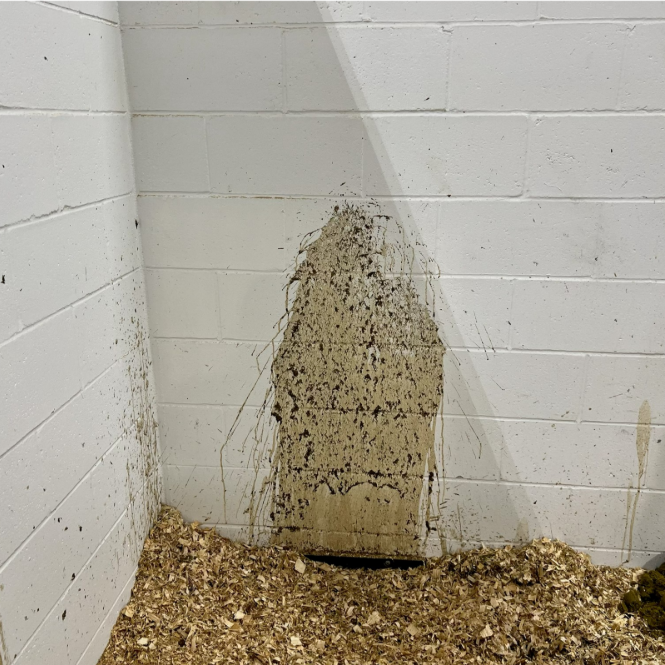
The Relationship Between SCRDC and Fecal Water
Right dorsal colitis (RDC) is an inflammatory, ulcerative disease of the horse's large intestine, often causing chronic diarrhea, weight loss, and recurring colic. It is primarily linked to NSAID toxicity (e.g., Phenylbutazone), which causes thickening of the colonic wall. [National Institutes of Health (NIH)]
Inflammation associated with Right Dorsal Colitis can range from relatively minor inflammation of the colon lining to life-threatening emergency surgery cases. The use of NSAIDs (Bute, Banamine, or Equioxx) daily or only at shows and events can cause inflammation of the Right Dorsal Colon.
The stress of hauling to shows and events can cause a cortisol release. A cortisol spike driven by chronic stress severely impacts gut health by reducing blood flow to the digestive tract, altering gut bacteria (the microbiome), and increasing inflammation. This is the fight-or-flight response, and the cortisol release continues until the stress-causing event is resolved or stopped.
The purpose of this study is to evaluate and correlate three diagnostic modes and evaluate response to management. The evaluation and management protocols have been developed by Equine Performance Microbiome over the past 8 years.
Source: National Institutes of Health (NIH). Clinical descriptions adapted for educational purposes. This content is for informational purposes only and does not constitute veterinary medical advice.