
Equine Performance Microbiome
Performancestarts within.
Advanced Testing for Subclinical Right Dorsal Colitis (SCRDC) & Equine Hindgut Microbiome Health. Many horses struggle with unexplained performance issues despite appearing healthy. The problem may not be Equine Gastric Ulcer Syndrome—it may be hidden deeper within the digestive system.
Testing guides the diagnostic process and is not a definitive diagnostic tool. Veterinary involvement may be required.
Years of equine performance medicine experience
Years refining evaluation and treatment protocols
First selected horses receive covered screening
Equine Performance Begins With Understanding the Microbiome
For decades, equine performance issues have frequently been attributed to gastric ulcers, musculoskeletal injuries, or training deficiencies. While these conditions certainly exist, many horses continue to struggle even after receiving appropriate treatment.
Doug Armstrong DVM has spent years researching the role of the equine hindgut microbiome, specifically the Right Dorsal Colon, and how inflammation within this region can significantly impact performance, comfort, digestion, and overall health.
The Equine Performance Microbiome System was developed to help identify Subclinical Right Dorsal Colitis (SCRDC)—a condition that often mimics gastric ulcers but requires an entirely different diagnostic and management approach.
Our mission is simple: Deliver more accurate diagnostics, prevent unnecessary treatments, and support equine performance through science-based microbiome evaluation.
Decades of Research
Pioneering diagnostic approaches for Subclinical Right Dorsal Colitis.
Not Every Performance Problem Is a Gastric Ulcer
Reduced performance rarely has a single cause. When horses experience symptoms, many naturally suspect gastric ulcers. However, the root cause may lie deeper.
Horses suffering from Subclinical Right Dorsal Colitis may present with remarkably similar symptoms to gastric ulcers while requiring a completely different management strategy.
Without proper diagnostics, horses may receive medications or therapies that fail to address the underlying condition. Our goal is to help identify the true source of these clinical signs before unnecessary treatments begin.
Common overlapping symptoms:
- Changes in attitude
- Resistance under saddle
- Poor athletic performance
- Weight fluctuations
- Mild recurring colic
- Digestive disturbances
- Difficulty maintaining condition
- Unexplained discomfort
- Inconsistent training
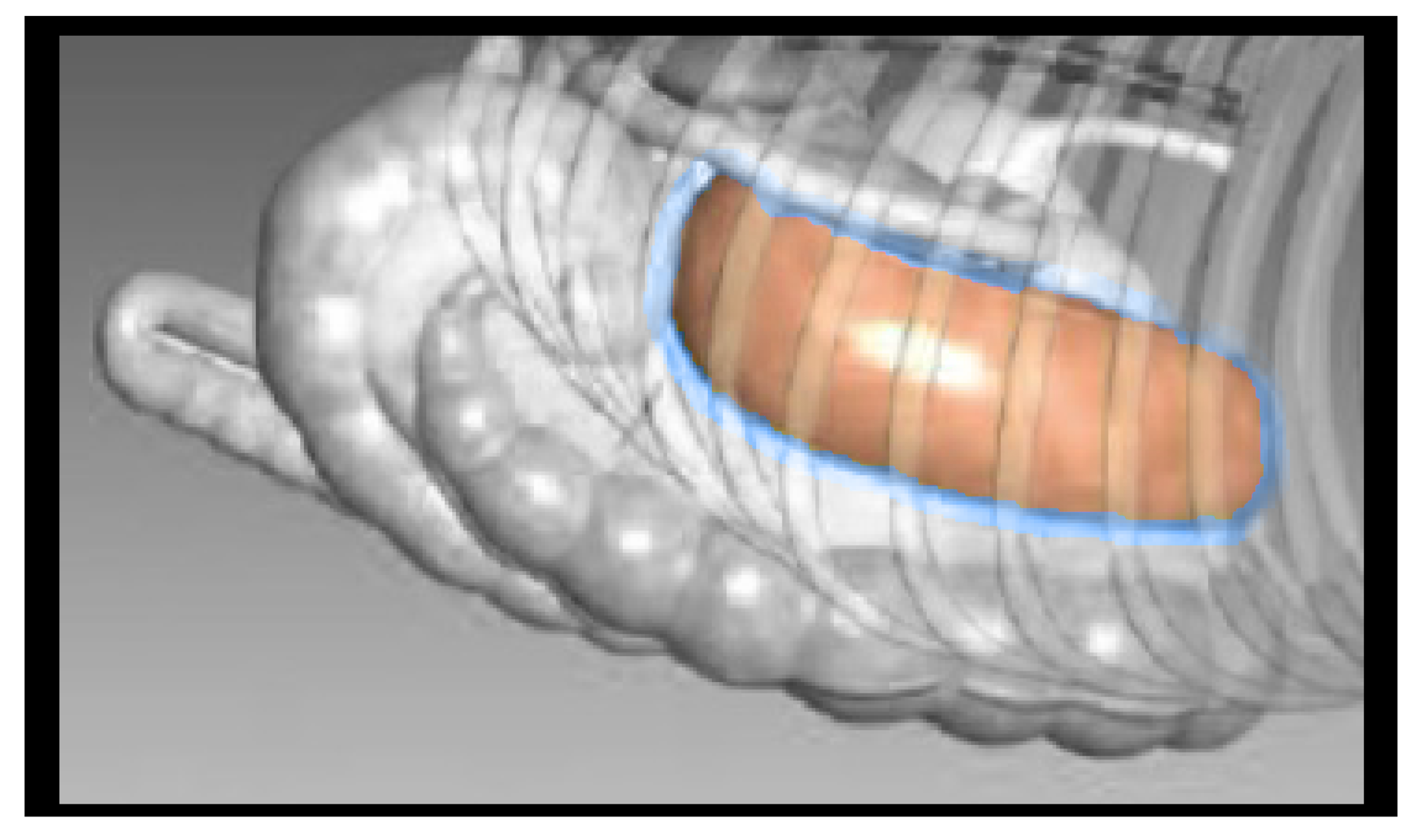
Understanding an Often Overlooked Cause
Subclinical Right Dorsal Colitis (SCRDC) is an inflammatory condition affecting the horse's Right Dorsal Colon within the hindgut.
Unlike acute colitis, subclinical disease may develop gradually, producing subtle changes that are easily mistaken for gastric ulcers, training issues, behavioral problems, poor conditioning, or general performance decline.
Because these horses often continue working while symptoms slowly worsen, the condition frequently goes undiagnosed. Understanding the relationship between the equine microbiome and hindgut health is critical for maintaining optimal athletic performance.
Learn About The StudyOur Proprietary Equine Performance Microbiome System
Developed through years of clinical research by Doug Armstrong DVM to focus specifically on identifying Subclinical Right Dorsal Colitis.
Differentiate & Diagnose
Identify horses that may be experiencing SCRDC and differentiate the condition from gastric ulcers to establish an accurate baseline.
Evaluate Microbiome
Assess the role of the hindgut microbiome to reduce unnecessary treatments and guide appropriate management recommendations.
Improve Performance
Focus on improving long-term equine health and athletic performance through methodologies exclusive to our system.
Why the Equine Microbiome Matters
Healthy Horses Begin With a Healthy Hindgut
The equine microbiome is a complex ecosystem of beneficial microorganisms responsible for supporting digestion, nutrient absorption, immune function, and gastrointestinal health.
Disruptions within this delicate environment may contribute to:
- Reduced nutrient utilization
- Chronic inflammation
- Poor recovery
- Decreased stamina
- Behavioral changes
- Digestive imbalance
- Declining performance
By evaluating the health of the hindgut microbiome, veterinarians and horse owners gain valuable insight into conditions that may otherwise remain hidden.
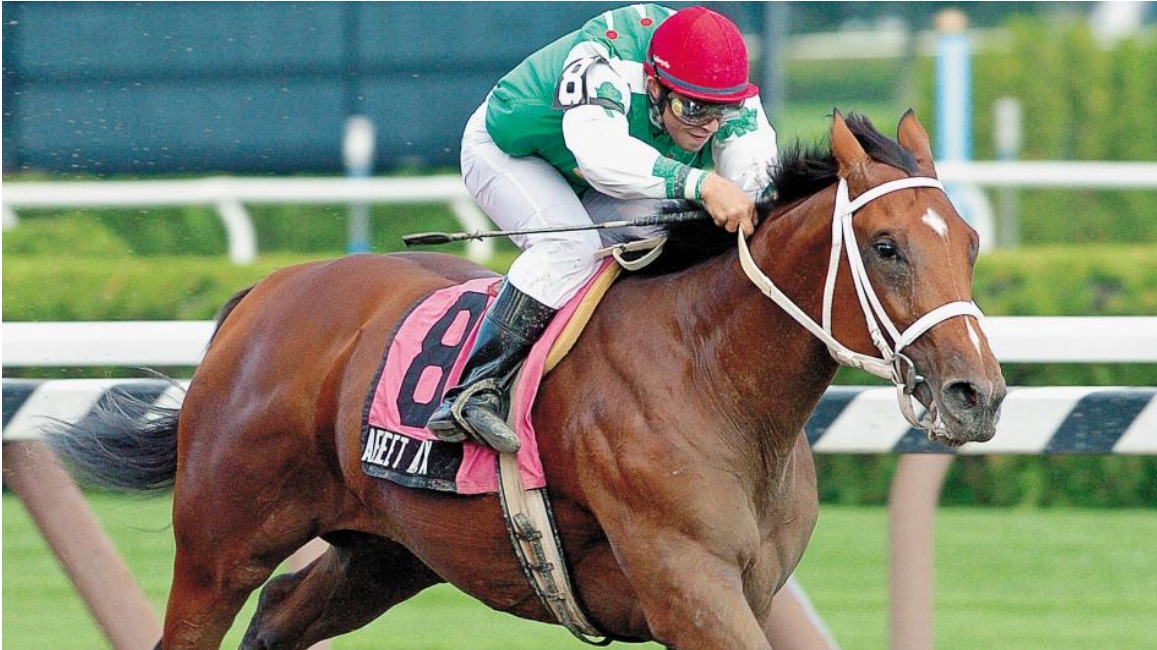
Who Benefits From Our Services?
Horse Owners
Find answers when your horse simply isn't performing like they once did.
Trainers
Identify potential gastrointestinal factors affecting athletic performance.
Riders
Understand whether unexplained resistance or behavioral changes may have an underlying medical cause.
Veterinarians
Access specialized diagnostic methodologies to better differentiate SCRDC from other gastrointestinal disorders.
Performance Barns
Protect valuable equine athletes through more accurate diagnostics and individualized management recommendations.
Why Choose Doug Armstrong DVM?
Experience. Innovation. Science.
The Equine Performance Microbiome System represents years of focused research into equine hindgut health. Unlike generalized testing programs, our diagnostic methodologies were specifically developed to identify a condition that frequently goes unrecognized.
We believe better diagnostics lead to better outcomes for horses.
Educational Resources
Education is a cornerstone of improving equine healthcare. Explore our growing collection of educational resources covering equine microbiome research, hindgut health, and clinical case discussions.
Learn More About Our FoundationFrequently Asked Questions
Ready to Learn What's Really Affecting Your Horse?
Performance issues don't always begin where you think they do. If your horse continues to struggle despite traditional treatments, it may be time to investigate the health of the hindgut microbiome.
Advancing Equine Medicine Through Hindgut Microbiome Research
The relationship between the equine hindgut microbiome and athletic performance is becoming one of the most important areas of modern equine veterinary medicine. As research continues to reveal the complex interactions between microbial health, gastrointestinal function, inflammation, and overall performance, veterinarians and horse owners are gaining new tools to evaluate conditions that have historically been difficult to diagnose.
Doug Armstrong DVM focuses on advancing understanding of Subclinical Right Dorsal Colitis, a condition affecting the Right Dorsal Colon that may contribute to reduced performance, behavioral changes, digestive disturbances, and chronic inflammation. Through proprietary testing methodologies and educational resources, the Equine Performance Microbiome System helps owners, trainers, riders, and veterinarians explore diagnostic possibilities beyond traditional gastric ulcer evaluations.
Whether you own a competitive performance horse, manage a training facility, or practice equine veterinary medicine, understanding the role of the equine microbiome, hindgut health, and Subclinical Right Dorsal Colitis may provide valuable insight into improving long-term equine wellness, optimizing athletic performance, and supporting more informed management decisions.